Navigating the Evolving Table Games Landscape: Design Trends and Social Features
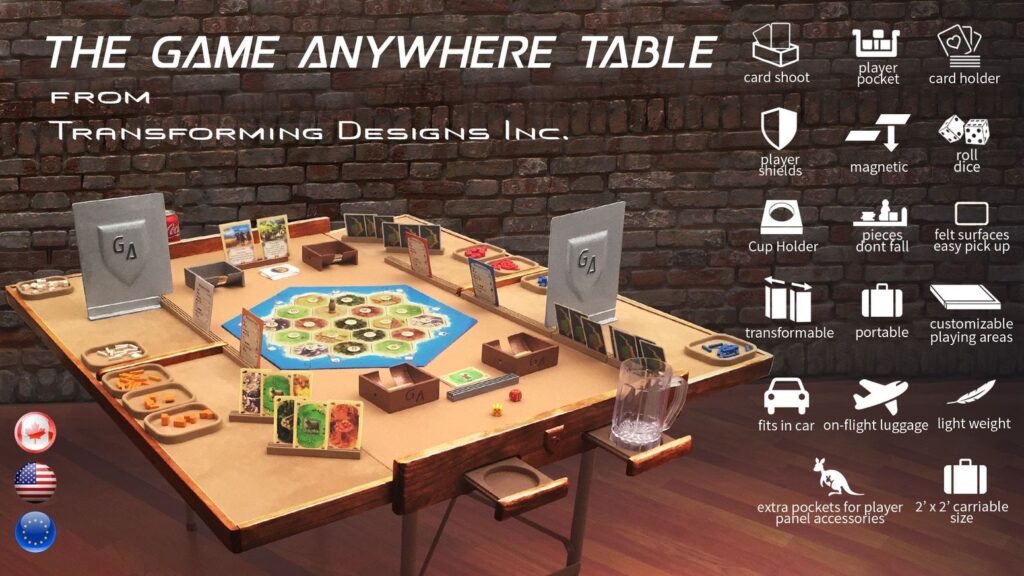
In the ever-evolving world of table games, the landscape is undergoing a remarkable transformation, driven by innovative design trends and a growing emphasis on social features. As the international gaming industry continues to adapt to the changing preferences of players, understanding these emerging patterns is crucial for both game developers and casino operators. In this comprehensive article, we’ll delve into the latest design trends and explore how social elements are shaping the future of table game experiences.
Embracing Shorter Sessions and Streamlined Strategies
One of the most prominent trends in table game design is the shift towards shorter, more engaging sessions. Players today often seek experiences that cater to their busy lifestyles, where quick bursts of excitement and strategic decision-making are preferred over lengthy, drawn-out games. This has led game providers to focus on developing table games that offer a more compact and dynamic gameplay, allowing players to enjoy the thrill of the game without committing substantial time.
Alongside this emphasis on shorter sessions, the latest table game designs are also placing a greater emphasis on streamlined strategy presentation. By simplifying the decision-making process and making the core game mechanics more intuitive, players can more easily grasp the core strategies and optimize their play, leading to a more satisfying and rewarding experience.
The Rise of Lightweight Social Features

Another significant trend in the table games landscape is the integration of lightweight social features. While the traditional table game experience has often been a solitary one, recent advancements have introduced optional social elements that enhance the overall gameplay without overwhelming the core mechanics.
Shared Progression and Achievements
One such feature is the incorporation of shared progression and achievement systems. These systems allow players to track their progress, compete against friends, and unlock exclusive rewards or bonuses, fostering a sense of community and camaraderie among table game enthusiasts. By tapping into the human desire for social recognition and friendly competition, these features have the potential to increase player engagement and retention.
Real-Time Interactions and Leaderboards
Alongside shared progression, table game developers are also exploring real-time interactive features, such as in-game chat functions and leaderboards. These elements enable players to connect with one another, share strategies, and compare their performance in real-time, further enhancing the social aspect of the gaming experience. By fostering these interactive experiences, table games can become more than just a solitary pursuit, but a shared adventure among a community of players.
Volatility Indicators and Transparency
In the quest for greater transparency and player trust, the latest table game designs are also incorporating visible volatility indicators. These visual cues provide players with a clear understanding of the game’s risk-reward profile, empowering them to make more informed decisions and manage their bankroll more effectively.
By offering this level of transparency, table game providers are addressing the growing demand for accountability and responsible gaming practices. Players can now better assess the potential rewards and risks associated with each game, allowing them to choose table games that align with their personal risk tolerance and gameplay preferences.
Adapting to Player Preferences
The evolution of table game design is not merely a matter of technological advancements; it is a direct response to the changing preferences and expectations of players. By closely observing player behavior, game providers are able to identify the features and experiences that resonate most with their target audience, and then incorporate these elements into their game designs.
Catering to Diverse Playstyles
One of the key challenges facing table game developers is the need to cater to a diverse range of player preferences. While some players may gravitate towards the thrill of high-stakes, high-volatility games, others may prefer a more relaxed, low-risk experience. By offering a varied portfolio of table game options, providers can ensure that players of all skill levels and risk appetites can find a game that suits their individual needs.
Incorporating Player Feedback
Successful table game providers understand the importance of actively listening to player feedback and incorporating it into their design process. By engaging with their player base, developers can gain valuable insights into the features, mechanics, and social elements that players find most engaging and enjoyable. This feedback-driven approach allows for continuous refinement and improvement, ensuring that table game experiences remain relevant and appealing to the evolving preferences of the international gaming community.
As the table games landscape continues to evolve, players can look forward to a more diverse and engaging array of options that cater to their preferences for shorter sessions, streamlined strategies, and optional social features. By embracing these design trends and prioritizing player transparency, table game providers are poised to deliver experiences that captivate and satisfy players across the international gaming market.
Remember, responsible gambling is essential. If you or someone you know has a gambling problem, seek help from a qualified professional or contact a gambling helpline in your area.
